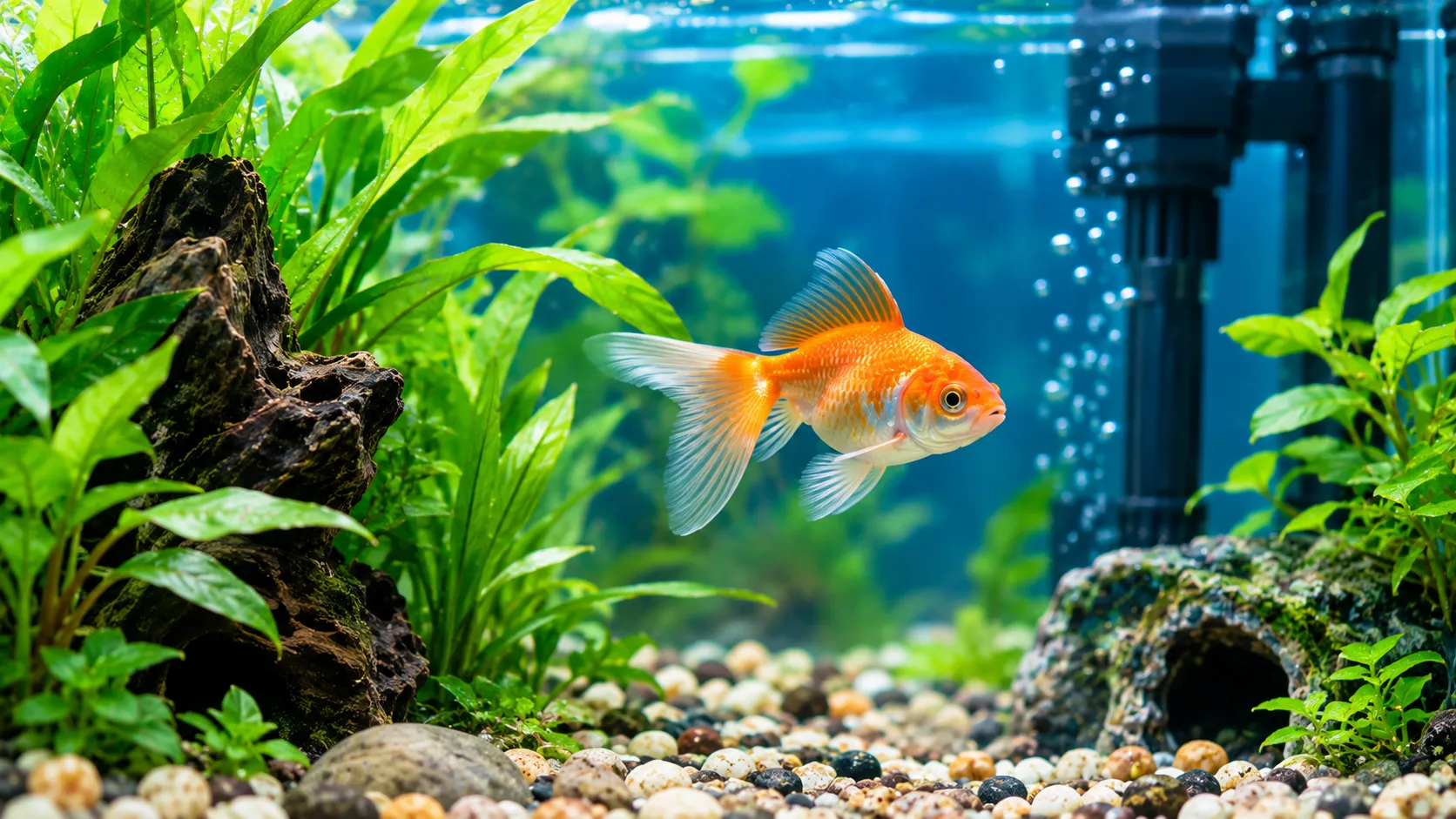
Starting an aquarium can be a relaxing and rewarding experience. Fish bring movement and life into a home, but a healthy aquarium requires more than adding water and fish to a tank. The right equipment, stable water conditions, suitable food, compatible fish, and regular maintenance are all essential.
This beginner’s guide explains how to set up and care for a freshwater aquarium while introducing useful products available through PetCareHub’s Fish & Aquarium collection.
Important: Fish requirements vary by species. Always research the adult size, temperature, diet, water conditions, and compatibility needs of your fish before purchasing them.
Choose the right aquarium
A larger aquarium is usually easier for beginners to manage than a very small tank because more water provides greater stability. In a small aquarium, temperature and water-quality problems can develop quickly. Choose a tank that provides enough swimming space for the adult size and number of fish you plan to keep.
Before buying fish, consider their adult size, temperament, swimming level, feeding habits, and whether they need to live alone or in a group. Some fish are peaceful community species, while others are territorial or may grow much larger than expected. Never choose fish only because they look attractive together.
Place the aquarium on a sturdy, level surface that can support the tank, water, gravel, and decorations. Keep it away from direct sunlight, heating appliances, and areas where it may be knocked or exposed to excessive vibration.
Essential aquarium equipment
A basic freshwater aquarium normally requires a tank, filter, substrate, aquarium-safe décor, lighting, thermometer, water conditioner, and fish food. Equipment should always match the aquarium size and species requirements.
Filter and water movement
A filter removes particles, supports beneficial bacteria, and keeps water moving. Larger or heavily stocked tanks may require stronger filtration or additional equipment. PetCareHub offers equipment such as the RS 388A Top Filter and Double Pump RS 410. Check each product’s specifications before purchasing.
Do not replace all filter media at once unless absolutely necessary. Filter media contains beneficial bacteria, and removing everything together can destabilise the aquarium and cause ammonia or nitrite problems.
Good water movement helps distribute oxygen and prevents stagnant areas. An air pump or additional circulation equipment may be useful for tanks with high stocking levels or fish that require well-oxygenated water. Keep electrical connections away from splashes and follow the manufacturer’s instructions.
Thermometer, lighting, and décor
A thermometer allows you to monitor temperature accurately. Fish may become stressed when water is too hot, too cold, or changes temperature suddenly. The Roxin Thermometer for Liquid Appliance can help aquarium owners monitor water temperature, but always use species-specific guidance for the correct range.
Aquarium lighting improves visibility and supports live plants, but fish also need periods of darkness. A timer can help maintain a consistent schedule. Excessive lighting may encourage algae growth. Use aquarium-safe rocks, ornaments, and artificial plants, check for sharp edges, and leave enough open swimming space.
Prepare and cycle the water
Tap water may contain chlorine or chloramine, which can harm fish and beneficial bacteria. Use an appropriate aquarium water conditioner according to the product instructions before adding tap water.
To prepare a new aquarium:
- Rinse the tank, gravel, and decorations with clean water. Never use soap or household detergents.
- Place the aquarium on a stable, level surface.
- Add the substrate and aquarium-safe decorations.
- Install the filter, thermometer, lighting, and heater if required.
- Add conditioned water and start the equipment.
- Allow the biological filtration to establish before adding fish.
The aquarium cycle is the process through which beneficial bacteria develop and help break down fish waste. Waste can produce toxic ammonia. Beneficial bacteria convert ammonia into nitrite, and another group converts nitrite into nitrate. Nitrate is less toxic at controlled levels but must still be managed through water changes and maintenance.
Do not heavily stock a new aquarium immediately. Add fish gradually and test the water. Clear water does not always mean safe water; ammonia and nitrite may be harmful even when the aquarium looks clean.
Choose healthy fish and introduce them carefully
Healthy fish are generally alert, responsive, and swimming normally. Avoid fish that are gasping, lying on the bottom, rubbing against objects, showing white spots, or displaying damaged fins unless you are prepared to quarantine and treat them.
Look for clear eyes, intact fins, normal breathing, and a healthy body shape. Introduce new fish gradually by floating the transport bag or container to equalize temperature, then slowly acclimating the fish to the aquarium water. Avoid pouring transport water into the main aquarium whenever possible.
A quarantine aquarium is recommended if you have enough space. It allows you to observe new fish and reduces the risk of introducing disease into an established aquarium.
Feed the correct food in the correct amount
Overfeeding is one of the most common beginner mistakes. Uneaten food breaks down, increases waste, damages water quality, and may encourage algae growth. Feed small portions that fish can consume within a few minutes. The feeding schedule depends on species, age, size, and activity level.
PetCareHub offers several fish-food options for different requirements:
- Goldfish Pellets for suitable goldfish diets. Select the correct type and weight variation before adding them to your cart.
- Arowana Sticks for suitable larger ornamental fish, depending on fish size and feeding needs.
- Marine Wafers for appropriate marine or bottom-feeding applications, according to the product information.
- Koi Joy for suitable koi-feeding routines.
- Turtle Sticks for appropriate aquatic turtle diets, not as a general substitute for fish food.
Surface feeders may prefer floating food, while bottom feeders may need sinking food. Choose food based on the species rather than using one product for every aquarium. Store dry food in a cool, dry place, keep the container tightly closed, and reduce feeding if waste accumulates.
Maintain water quality
Regular maintenance is better than occasional major cleaning. A simple routine helps you detect problems early.
Daily
- Observe fish activity, breathing, appetite, and appearance.
- Check that the filter and air equipment are working.
- Confirm the temperature is within the correct range.
- Remove visible uneaten food or dead plant material.
Weekly
- Test water parameters according to the needs of your fish.
- Inspect filter flow and equipment.
- Check for cloudy water, unusual smells, algae, or damage.
- Perform a partial water change when required by test results and your maintenance plan.
- Clean aquarium glass with aquarium-safe tools.
Inspect tubing, air lines, filter components, electrical connections, décor, and substrate periodically. When cleaning filter media, rinse it in removed aquarium water rather than untreated tap water to protect beneficial bacteria. Avoid replacing all aquarium water as a routine measure because sudden changes in temperature or water chemistry can stress fish.
Manage algae and avoid overcrowding
Some algae can be normal, but excessive growth may indicate too much light, overfeeding, excess nutrients, or insufficient maintenance. Keep the aquarium away from direct sunlight, use a consistent lighting schedule, feed carefully, perform planned water changes, and clean the glass with aquarium-safe equipment.
Do not add algae-eating fish simply to solve an algae problem. Research their adult size, temperament, diet, and bioload first.
Overcrowding increases waste, reduces oxygen, and may cause aggression and disease. Before combining species, research their adult size, temperature requirements, water preferences, temperament, feeding behavior, and group requirements. Add fish gradually and monitor the aquarium after every addition.
Use medicines and treatments carefully
Symptoms such as rapid breathing, lethargy, white spots, fin damage, or loss of appetite can have many causes, including poor water quality, stress, parasites, bacterial problems, incompatible tank mates, or unsuitable temperature.
Before using a treatment:
- Test the aquarium water.
- Check the temperature and equipment.
- Observe all fish and record symptoms.
- Identify the likely cause using a trusted aquatic-care source or qualified professional.
- Read the label and follow the dose exactly.
- Remove activated carbon only when the treatment instructions require it.
- Never combine medicines unless a qualified source confirms it is safe.
PetCareHub carries aquarium treatment products such as Chlorout. Confirm that any treatment is suitable for your fish, plants, invertebrates, aquarium type, and biological filter.
Safety note: Never use human medicines or household chemicals in an aquarium. If fish are seriously ill or dying, seek advice from an aquatic veterinarian, experienced aquarist, or qualified pet-care professional.
Common beginner mistakes
- Adding fish immediately to a new, uncycled tank.
- Feeding too much food.
- Replacing all filter media at the same time.
- Choosing fish based only on appearance.
- Ignoring water temperature.
- Treating symptoms without testing water quality.
- Using soap or household cleaners on aquarium equipment.
- Adding too many fish before understanding their adult size and behavior.
Simple maintenance schedule
| Frequency | Routine |
|---|---|
| Daily | Observe fish, check equipment, confirm temperature, and remove visible waste. |
| Several times per week | Feed controlled portions and check fish for changes. |
| Weekly | Test water, inspect filter flow, check algae, and perform planned maintenance. |
| Monthly or periodically | Inspect tubing and equipment, clean components safely, and review stocking levels. |
| When adding fish | Quarantine when possible, acclimate slowly, and monitor water quality. |
Final thoughts
Successful fish keeping is based on patience, consistency, and observation. A healthy aquarium needs suitable equipment, a stable biological cycle, appropriate food, compatible fish, controlled stocking, and regular maintenance.
Start with a manageable aquarium, research the species you want to keep, and make changes gradually. With the right preparation and aquarium products—including filters, air equipment, thermometers, fish food, and carefully selected treatments—you can create a healthy underwater environment for your fish.
Explore PetCareHub’s Fish & Aquarium collection for aquarium food, equipment, accessories, and water-care products. For product guidance, contact the PetCareHub care team through WhatsApp or visit the Contact page.
Disclaimer: This article provides general fish-keeping information and is not a substitute for species-specific care instructions or professional veterinary advice. Product suitability depends on the aquarium, fish species, water conditions, and intended use. Always read product labels and follow the manufacturer’s instructions.