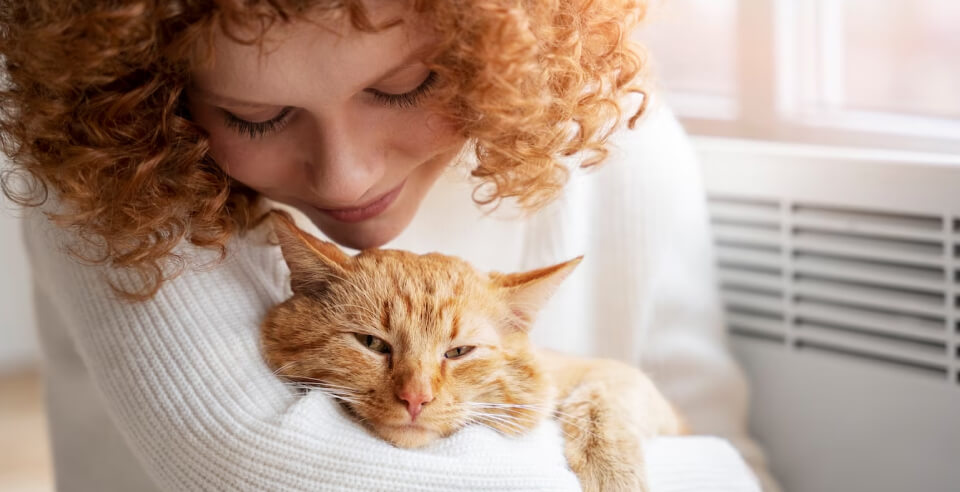
Having a pet is a rewarding responsibility. Dogs, cats, birds, fish, and small pets can bring companionship, joy, and comfort to a home, but every animal depends on its owner for suitable food, a safe environment, regular care, and attention. Responsible pet ownership begins before bringing an animal home and continues throughout its life.
This guide explains the essential things every pet owner should know, from choosing the right supplies to recognising health concerns and creating a daily care routine.
1. Understand your pet’s needs
Every species has different requirements. A dog needs exercise, training, social interaction, and regular outdoor care. A cat needs a safe environment, suitable food, scratching opportunities, and enrichment. Birds need an appropriate cage, clean water, correct nutrition, and mental stimulation. Fish need stable water conditions, filtration, suitable food, and compatible tank mates. Small pets require species-appropriate housing, bedding, food, and gentle handling.
Before buying or adopting a pet, research its adult size, lifespan, temperament, diet, activity level, housing requirements, and likely veterinary costs. Do not choose an animal only because it looks attractive or because it is currently popular. Make sure the pet’s needs match your available time, space, budget, and lifestyle.
2. Provide suitable food and fresh water
Good nutrition supports energy, growth, immunity, and long-term health. Choose food for the correct species, age, size, and health condition. Puppy, adult-dog, kitten, adult-cat, bird, fish, and small-pet foods are not interchangeable.
Measure portions carefully and follow feeding guidance. Overfeeding can lead to obesity, poor water quality in aquariums, and digestive problems. Uneaten food should be removed when necessary, especially in fish tanks and bird cages.
PetCareHub offers food and treats for different pets, including Cat Snacks, Frozen Dry Fruits & Vegetables, Breeder & Grower, and aquarium products such as Goldfish Pellets. Always read the product information and confirm that the food is suitable for your pet before purchase.
Fresh drinking water should be available every day. Wash food and water bowls regularly, and replace aquarium water according to a suitable maintenance plan rather than waiting until it becomes visibly dirty.
3. Create a safe home environment
Pet-proof your home before your animal arrives. Secure electrical cables, medicines, cleaning products, pesticides, small objects, and toxic plants. Keep food that is dangerous to pets out of reach, including chocolate, onions, garlic, alcohol, and foods containing xylitol.
Dogs should have secure gates or barriers where necessary. Cats need safe windows and balconies. Birds must be protected from open doors, ceiling fans, smoke, and fumes from overheated non-stick cookware. Fish tanks should be placed on strong, level furniture away from direct sunlight and sudden temperature changes.
Provide species-appropriate bedding, hiding areas, perches, toys, scratching surfaces, or aquarium décor. A secure and comfortable environment helps reduce stress and prevents avoidable accidents.
4. Choose appropriate accessories
Accessories should support safety, comfort, exercise, and enrichment. A dog may need a suitable collar, identification tag, food bowl, grooming tools, and lead. The Retractable Dog Leash may be useful for controlled walks when used responsibly and in a safe area. Check the leash regularly for wear and choose equipment that matches the dog’s size and strength.
Cats benefit from scratching surfaces, interactive toys, comfortable resting places, and litter trays in quiet locations. Birds need secure perches, suitable toys, and enough space to move and stretch. Small pets need safe chew items and an enclosure designed for their species.
Aquarium owners should select equipment based on tank size and fish requirements. A Roxin Thermometer can help monitor water temperature, while an RS 388A Top Filter can support water movement and filtration when correctly matched to the aquarium.
5. Keep your pet clean and maintain its environment
Regular cleaning prevents odours, parasites, infection, and unnecessary stress. Wash bowls, clean litter trays, remove waste from cages, and maintain aquarium equipment according to the needs of the animal. Grooming requirements vary: some pets need regular brushing, nail care, bathing, feather care, or dental attention.
Do not use human shampoo, household disinfectants, or random chemicals on pets or in aquariums. Use products designed for the animal and follow the label instructions. When cleaning a fish tank, never use soap or detergent. Rinse aquarium filter media in removed aquarium water when appropriate to protect beneficial bacteria.
6. Schedule veterinary and preventive care
Routine veterinary care helps identify problems before they become serious. Ask a qualified veterinarian about vaccinations, parasite prevention, dental care, sterilisation, nutrition, and species-specific health checks. Keep vaccination records and note changes in weight, appetite, behaviour, and bathroom habits.
Contact a veterinarian promptly if your pet has difficulty breathing, repeated vomiting or diarrhoea, severe injury, seizures, unusual bleeding, collapse, inability to urinate, or sudden extreme weakness. Other warning signs include refusing food, hiding more than usual, persistent scratching, unusual discharge, rapid breathing, or changes in drinking and urination.
Do not give human medicines to pets unless a veterinarian specifically instructs you to do so. Medicines and supplements should be selected for the correct species and condition.
7. Support exercise, training, and mental stimulation
Physical activity and mental enrichment are essential. Dogs need regular exercise and positive training. Cats benefit from play, climbing opportunities, and safe places to observe their surroundings. Birds need interaction and activities that encourage natural behaviours. Small pets need suitable movement, hiding places, and safe objects to explore. Fish benefit from an appropriately designed aquarium with adequate swimming space and compatible décor.
Use reward-based training and avoid hitting, shouting, or frightening an animal. Consistent routines help pets feel secure and make it easier to notice changes in behaviour.
8. Introduce pets and products gradually
Sudden changes can cause stress or digestive problems. Introduce new food gradually by mixing a small amount with the previous food and increasing the new food over several days. Introduce new pets slowly, using separate spaces and supervised contact when appropriate.
When adding new fish, acclimate them carefully and quarantine them when possible. Never add fish to an unprepared aquarium. Check water conditions, temperature, filtration, and compatibility first.
9. Prepare for emergencies and travel
Keep a basic pet-care kit containing food, water, bowls, waste bags, towels, grooming supplies, medication prescribed by a veterinarian, and important records. Save the contact details of your veterinarian and an emergency clinic.
For travel, use a secure carrier, crate, or harness appropriate to the animal. Provide ventilation and never leave a pet alone in a hot vehicle. Plan food, water, medication, toilet breaks, and accommodation in advance.
10. Respect your pet’s welfare
Responsible ownership means providing care for the entire lifetime of the animal. Do not abandon a pet when it becomes inconvenient, expensive, old, or ill. If circumstances change, contact a trusted rescue organisation or qualified rehoming service.
Observe your pet every day. Healthy welfare includes suitable nutrition, a safe environment, freedom from preventable pain, opportunities for natural behaviour, rest, and positive human interaction.
Final thoughts
The most important responsibilities of pet ownership are preparation, consistency, observation, and compassion. Learn what is normal for your pet, provide suitable food and equipment, maintain a clean and safe environment, and seek professional advice when something changes.
PetCareHub provides products for aquarium keepers and owners of dogs, cats, birds, and small pets. Explore the PetCareHub shop or browse the Fish & Aquarium category for food, equipment, accessories, and care products. If you need help choosing a product, contact the PetCareHub team through WhatsApp or the Contact page.